$125 off
Every cleaning Save $1,500/yr- Free hard water removal
- 7-day rain guarantee
- Free Berry RainBlock Tech

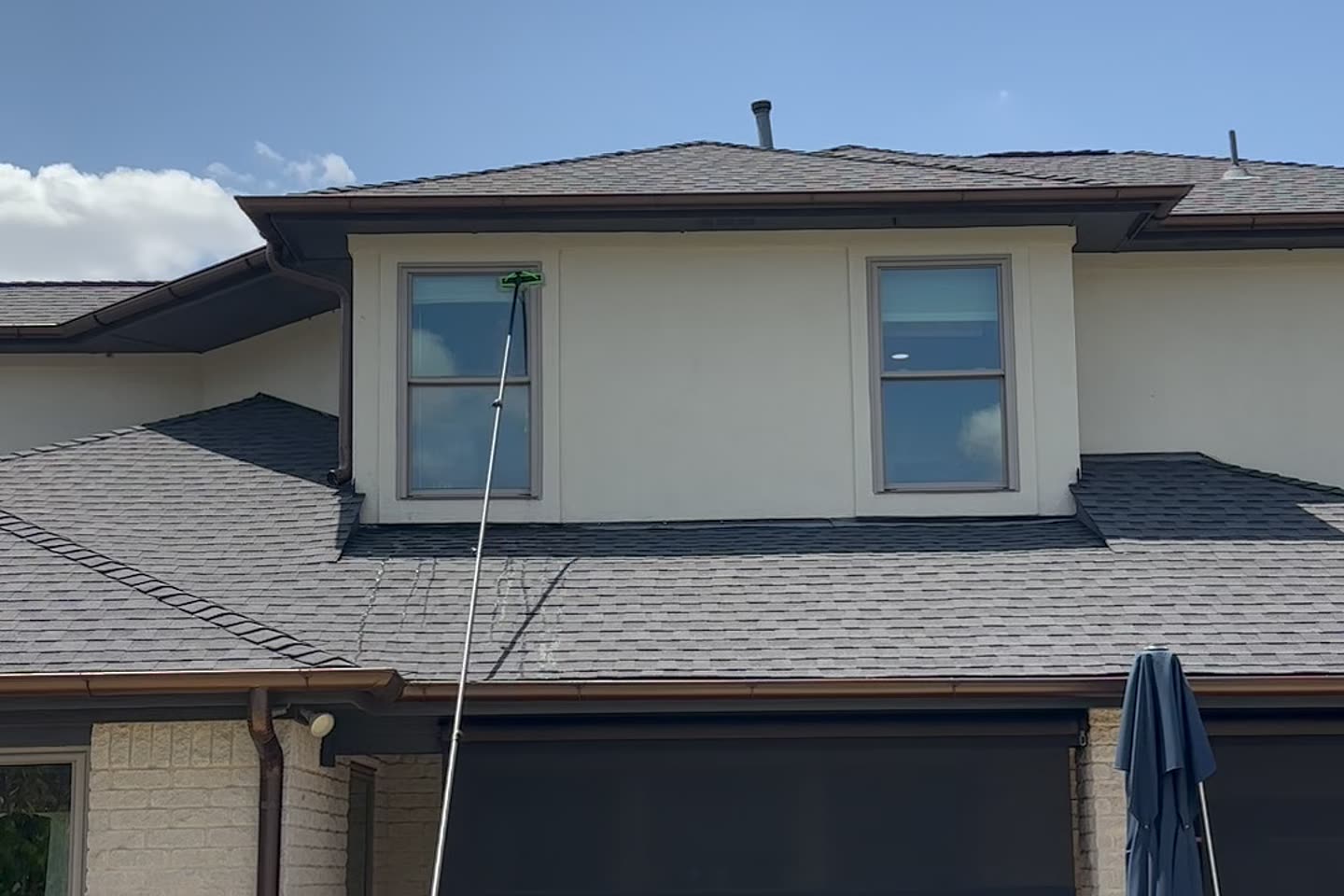
Pollen, dust and bird droppings rinsed off your array with purified water and a soft brush, from the roof or from the ground. No pressure washer involved.
With a Berry Bros service plan
$125 off
Every cleaning Save $1,500/yr$75 off
Every cleaning Save $300/yr$50 off
Every cleaning Save $100/yrAuto-scheduled, so you never have to re-book. No cancellation fees.
*Member discounts can't reduce a visit below $150.
Soft bristles and pure water, nothing harsher.
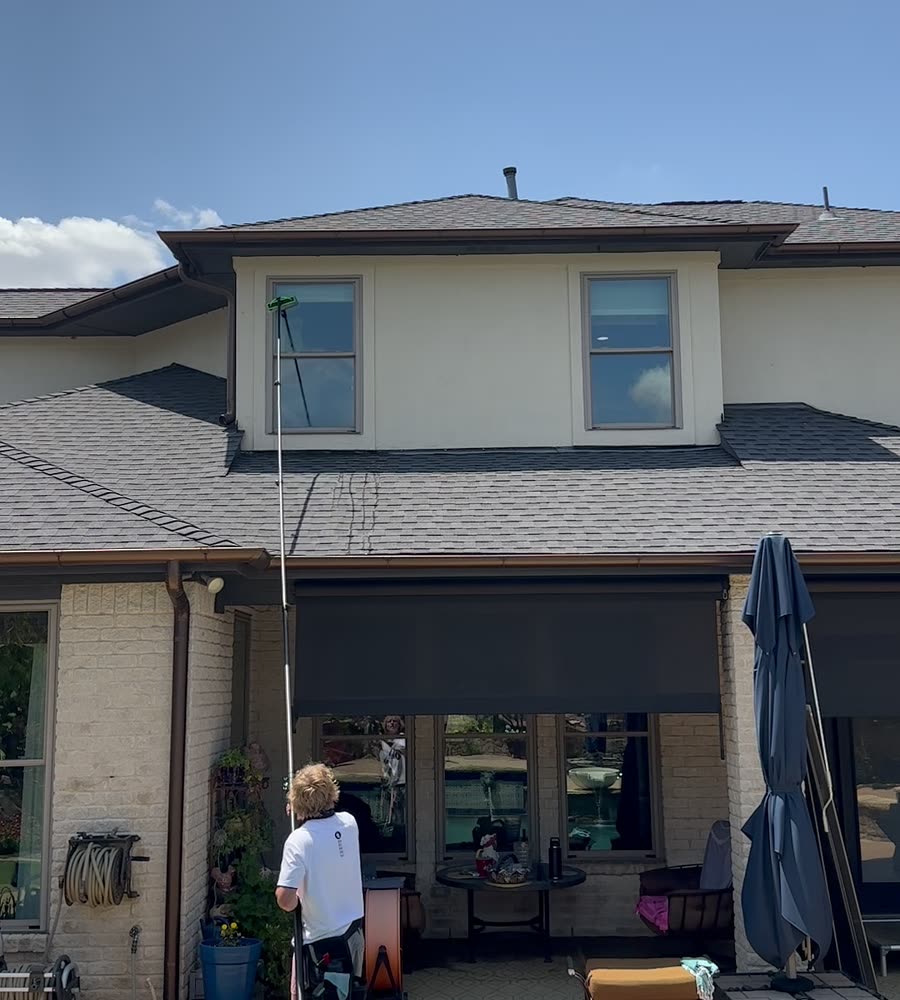
We check the array for heavy droppings, pollen film and anything that looks cracked or loose, and point out what we see.
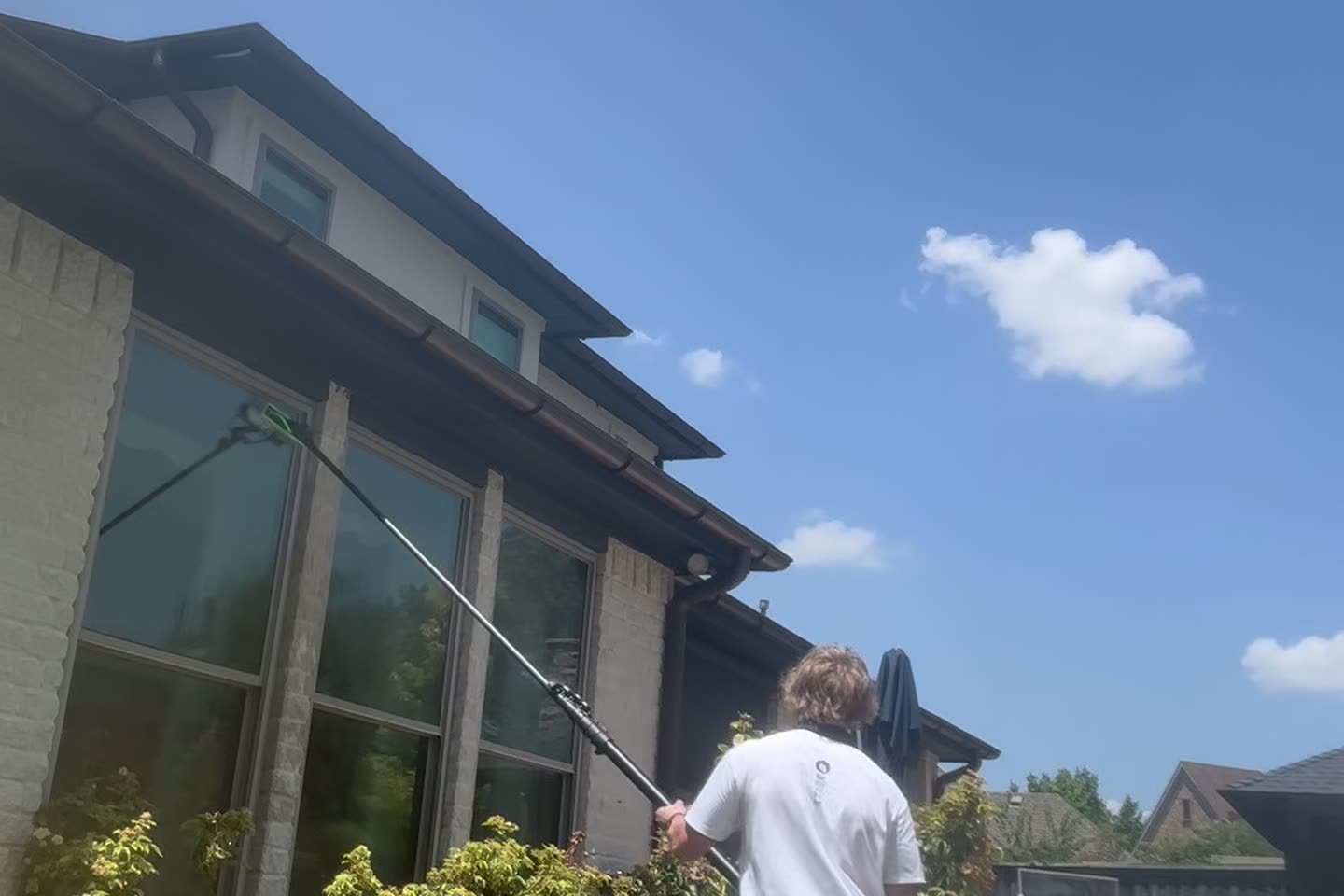
Working from the roof usually gives the better clean. When that isn't the right call, the pole reaches about 40 ft from the ground.
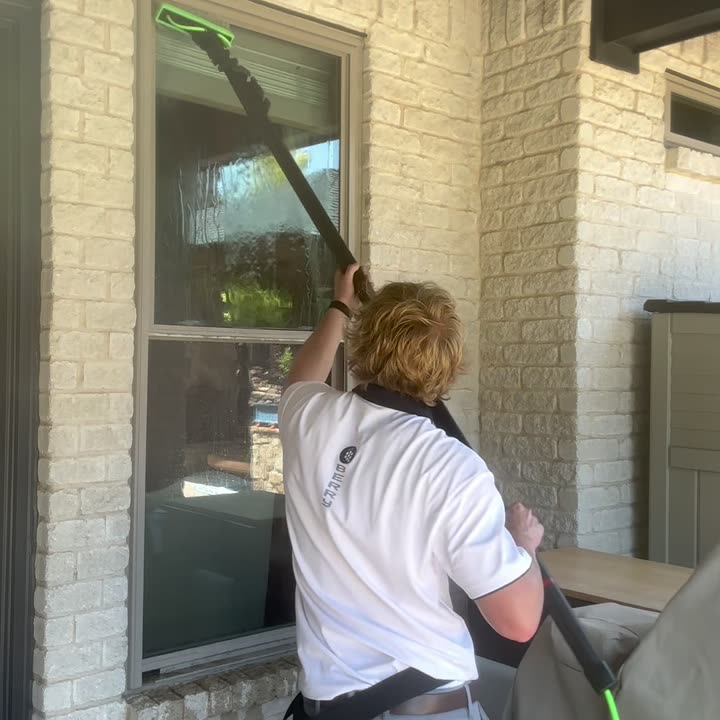
A nylon and boar-hair brush works the grime loose while purified water flows through it. No pressure washer.
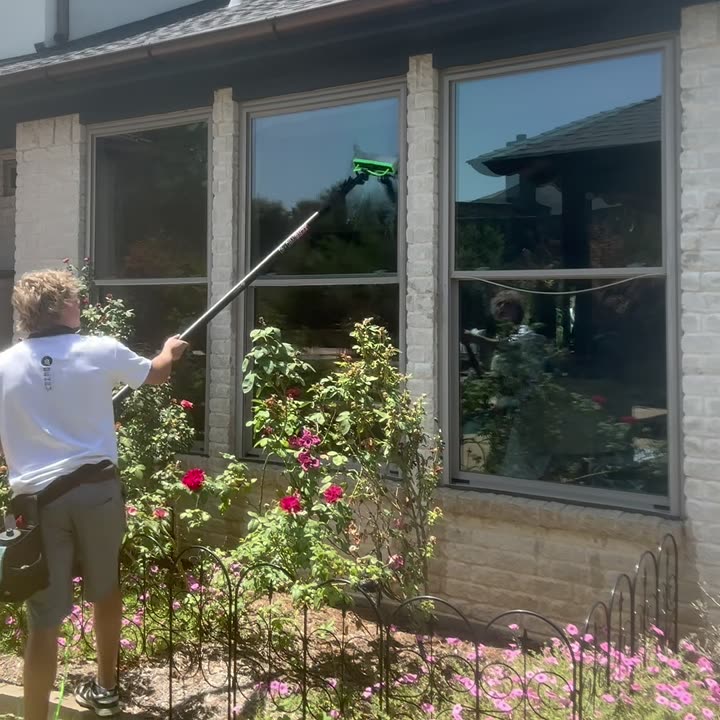
A last pure-water rinse carries the dirt off the panel edge, and the glass dries without mineral spots.
Search for solar panel cleaning and you'll find big promises about doubling your output. We'd rather tell you what the research actually says, what we can and can't promise, and how to tell whether your array needs us at all.
The short version: panels lose a little power to everyday dust and a lot more to pollen film, bird droppings and construction grit. Cleaning them the right way, with purified water and a soft brush, wins that power back without risking the coating on the glass.
A solar cell can only turn light into electricity if the light reaches it. Anything sitting on the glass, from a fine layer of dust to a single bird dropping, blocks part of the sun. The industry calls this soiling.
How much does it matter? Research from the National Renewable Energy Laboratory and others puts typical U.S. soiling losses somewhere around 1.5 to 6 percent a year, with bigger losses where rain is scarce and dust is heavy. That range is honest, and it's a lot smaller than the "25 percent more power" claims you'll see in ads. Those come from extreme cases.
A few situations push losses well past the average:
We won't promise a percentage. Every array, roof angle and neighborhood is different. The best test is your own monitoring app: note your production on a few sunny days before we clean and compare it with a few sunny days after.
Solar glass carries an anti-reflective coating that helps it capture light. Pressure washers, stiff brushes and harsh cleaners can wear that coating down, and many panel makers warn that damage from them may not be covered by the warranty. That's why our method is deliberately gentle.
We use the same filtration system that cleans high windows. It hooks to your outdoor spigot and strips the water down to under 10 TDS (total dissolved solids), usually close to zero. North Texas tap water carries a few hundred parts per million of minerals, which is exactly what leaves chalky spots on glass as it dries. Purified water has almost nothing to leave behind, and it uses very little water overall.
Water flows through a soft nylon and boar-hair brush at the end of the pole. The bristles loosen pollen, dust and droppings without scouring the glass, and the steady flow of pure water carries everything off the panel's lower edge.
There are two ways we reach your array. Working from the roof usually gives the better clean, because the technician can see every panel up close and brush at the right angle. When the roof isn't the right place to stand, we clean from the ground with a water-fed pole that reaches about 40 feet. We'll tell you which approach fits your home when we quote it.
Partly. A heavy, steady rain rinses off loose dust. But studies suggest it takes a fair amount of rain to actually clean a panel, and a light shower often just turns dust into a muddy film that dries right back on. Bird droppings and sticky pollen usually survive the rain completely.
North Texas weather makes this worse. Our driest stretch tends to land in late summer, with August averaging only about two inches of rain, right after the Saharan dust that drifts in during June and July. So panels can go through the sunniest, highest-production part of the year with the least natural rinsing.
For most homes in North DFW, one or two cleanings a year is enough. Modeling from national-lab research found that a single cleaning a year trims soiling losses, and a second cleaning trims them a little more. The timing matters more than the count:
Some homes need more. If you live next to active construction, as many families in Northlake and Justin do, near a dirt or gravel road, under big trees, or anywhere birds like to perch, consider cleaning every few months.
The same pure water that leaves panels spot-free is what we use on your second-story glass, so the two services fit together naturally. Ask us to quote your panels alongside an exterior window cleaning, and if hard water has spotted your lower windows, read about hard water stain removal.
Every quote is custom, based on the number of panels, how they're mounted and how dirty they are. Our cost guide walks through what affects pricing, and our plans show how recurring window customers save on every visit.
Real soiling numbers, no inflated output promises.
Soft brush and purified water. No pressure washer.
Water filtered on-site to under 10 TDS, so panels dry clear.
The roof usually gives the better clean; the pole reaches about 40 ft from below.
General liability coverage, with proof sent on request.
Locally owned in Justin, every job held to the Berry Bros standard.
Only partly. Heavy rain rinses loose dust, but light showers can leave a muddy film, and bird droppings and sticky pollen usually stay put. In North Texas, the driest stretch of the year comes in late summer, when panels are producing the most.
Once or twice a year suits most North DFW homes, ideally in late spring after pollen season and in late summer after the dust. Homes near construction, dirt roads, big trees or lots of birds may need cleaning every few months.
It depends on how dirty your panels are. Typical dust costs a few percent of output a year, while droppings, pollen film and construction dust can cost more. Compare your monitoring app before and after a cleaning to see the difference on your own system.
Pressure washers, stiff brushes and harsh chemicals are what panel makers usually warn against. We use purified water and a soft brush instead. If you want to be sure, check your manufacturer's cleaning guidance, and we're happy to look at it with you.
When it makes sense, yes. Cleaning from the roof usually gives the better result. Otherwise we clean from the ground with a water-fed pole that reaches about 40 feet.
North Texas tap water carries a few hundred parts per million of dissolved minerals, and those dry into spots on the glass. Our water is filtered on-site to under 10 TDS, usually close to zero, so it dries clear. It also keeps you off a hot roof.
Every quote is custom. The number of panels, roof pitch and access, and how much buildup there is all affect the price. Request a free quote, or see our window cleaning cost guide for what drives pricing.
Get a free quote for pure-water solar panel cleaning, from the roof or from the ground.
 Free quote